
Web Accessibility: A Lesson in Expectations
The Not-So-Cozy Getaway
You arrive at the rental property, suitcase in hand, filled with that familiar mix of excitement and anticipation. The photos on the listing had been enticing—a charming, rustic escape with all the modern amenities you’d expect for a weekend away. But as you cross the threshold, reality hits you like a cold draft. Something isn’t right.
The front door sticks as you push it open, and the welcome mat—a detail that seemed so inviting in the photos—is frayed and curling at the edges. You step inside and find yourself in a dimly lit hallway, the lightbulb flickering above as if it’s unsure whether to stay on or give up entirely. You flick the switch a few times, hoping to coax it into cooperation, but it’s clear that this light, like so many things here, is going to be an uphill battle.
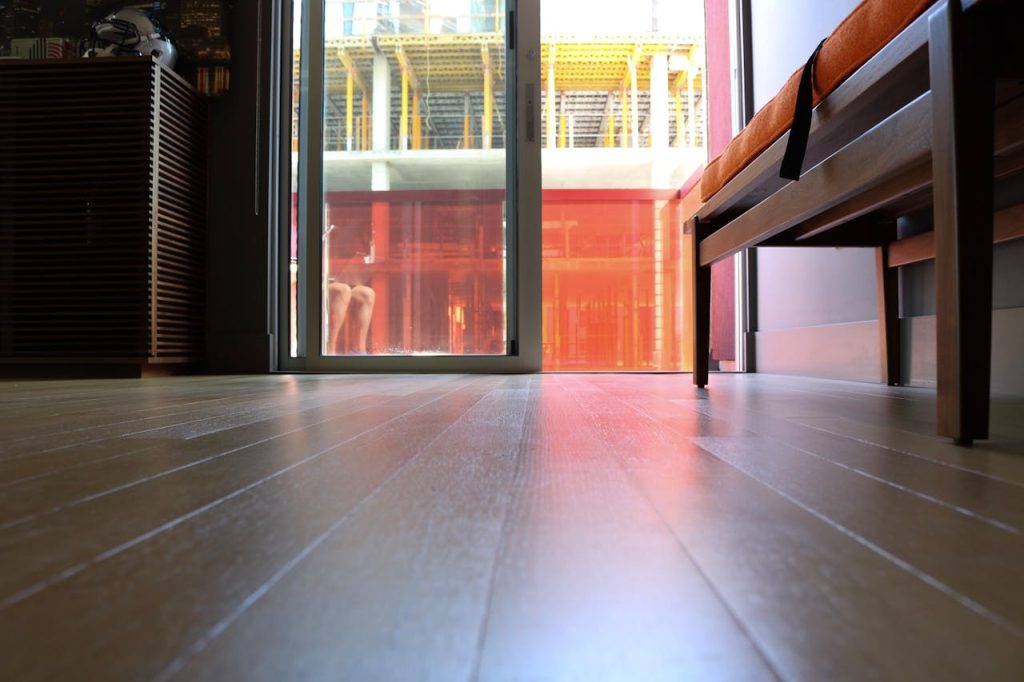
The first thing you notice is the smell—an odd mix of damp wood and something vaguely chemical. It’s not overwhelming, but it lingers, just enough to make you wonder how long it’ll take before you stop noticing. You drop your bags by the entrance and take a cautious step forward, scanning the space. The layout is awkward, with furniture arranged as if someone had tried to make the most of limited options, only to give up halfway through.
Barriers are often invisible but become glaringly obvious when you try to interact
The living room is small, cluttered with mismatched chairs and a coffee table that’s seen better days. The rug is slightly askew, and as you go to straighten it, your foot catches on the edge. The material is worn thin, and you realize it’s more of a tripping hazard than a cozy feature. You make a mental note to be careful—though why you should have to, in a place you’re paying for, is a question that nags at the back of your mind.
You head to the kitchen, hoping for some reassurance that this wasn’t a mistake. But the cabinets creak ominously as you open them, revealing chipped dishes and mismatched glassware. The stovetop looks functional, but as you twist the knob to test it, the gas ignites with an unsettling whoosh that makes you jump. You turn it off quickly, the initial warmth of excitement now replaced with a growing sense of unease.
In the bathroom, the issues persist. The showerhead drips incessantly, and the water pressure is so weak that you’re not sure how you’ll manage to wash your hair. The tiles are cracked in places, and the mirror is mounted just a little too high for comfort. You adjust it slightly, but the screw holding it in place seems ready to give way at any moment.
You step back, taking it all in, and the truth settles in: this isn’t what you signed up for. The charm, the coziness, the modern amenities—none of it is here. Instead, you’re left with a place that’s barely functional, where every corner reveals a new challenge. And while you’re not disabled, you can’t help but think that even a so-called “normal” person shouldn’t have to navigate these kinds of obstacles. You think about the listing, the promises it made, and you start to wonder—how many other guests have felt the same way? How many have shrugged off the inconveniences, telling themselves it’s just for a night or two?
But it’s more than that, isn’t it? It’s about expectations, about the bare minimum that should be met in any place that calls itself a home, even temporarily. It’s about the simple things working as they should, without you having to think twice. And it’s about the frustration of realizing that what was promised isn’t what’s been delivered, leaving you to question why you’re here in the first place.
As you settle in for the night, you can’t shake the feeling that this could have been avoided. That with a little more care, a little more attention to detail, this place could have lived up to its potential. But instead, it’s just another rental with pretty pictures and a reality that falls short.
You sit on the edge of the bed, contemplating your options. Maybe you’ll stick it out, or maybe you’ll cut your losses and find somewhere else. But one thing’s for sure—you won’t be fooled by a pretty listing again. Next time, you’ll look beyond the surface, because what’s underneath is what really matters. And whether it’s a rental property or something else entirely, everyone deserves a place where things just work, without having to fight for it.
How a Rental Property Mirrors Web Accessibility
The story of walking into a rental property that doesn’t quite live up to its listing is more than just a cautionary tale—it’s a metaphor for the importance of web accessibility. Just as the rental promised charm and modern amenities but delivered a barely functional space, many websites promise user-friendly experiences but fall short when it comes to accessibility. Here’s how the metaphor breaks down:
1. Expectations vs. Reality
When you book a rental property, you have certain expectations based on the listing. Similarly, when users visit a website, they expect it to function smoothly and intuitively. In both cases, when the reality doesn’t match the expectation, frustration sets in. For websites, this often manifests in poor navigation, unclear content structure, or inaccessible features that make the user experience cumbersome.
2. Basic Functionality
In the story, the basic features of the rental—lights, furniture, kitchen appliances—are barely functional, creating a series of small but significant obstacles. This mirrors the experience of users who encounter poorly designed websites. For example, a website that lacks clear navigation, has inaccessible forms, or fails to provide alternative text for images can be frustrating for any user, not just those with disabilities. The failure to meet basic usability standards affects everyone, much like how the rental’s issues impact any guest.
3. The Struggle with Simple Tasks
The guest in the story faces challenges in performing simple tasks—like opening cabinets or using the shower. On a website, users might struggle with tasks like filling out forms, navigating between pages, or understanding content. These struggles often stem from a lack of attention to accessibility principles, such as clear content hierarchy, proper use of HTML structure, and sufficient color contrast. When websites don’t account for these factors, users are forced to work harder to achieve basic goals, just like the guest in the rental.
4. The Invisible Barrier
The rental property in the story wasn’t explicitly designed to be difficult to navigate, but the lack of care in its maintenance created barriers that any guest would notice. In the digital world, these barriers are often invisible at first glance but become glaringly obvious when users try to interact with the site. Whether it’s a broken link, a missing alt text, or a form that doesn’t validate input correctly, these small oversights can create significant obstacles for users, making the site less accessible and, ultimately, less effective.
5. Questioning the Why
At the end of the story, the guest questions why they even chose this rental in the first place—a reflection of what users might feel when they encounter an inaccessible website. They might question why they should stay on a site that doesn’t meet their needs when there are other, more accessible options available. In a competitive digital landscape, failing to meet accessibility standards can drive users away, just as the rental’s shortcomings might prompt a guest to look for alternative accommodations.
6. The Broader Impact
Finally, the story highlights a broader truth: accessibility benefits everyone. Just as a well-maintained rental would be more comfortable for all guests, a well-designed, accessible website offers a better experience for all users, not just those with disabilities. Accessibility is about meeting basic expectations—ensuring that things work as they should, without users having to fight for it. When websites are designed with accessibility in mind, they become easier to use for everyone, improving overall user satisfaction and engagement.
Conclusion
The rental property metaphor underscores the critical importance of accessibility in web design. Just as a guest deserves a rental that lives up to its promise, users deserve websites that are intuitive, functional, and accessible. By prioritizing accessibility, web designers can create experiences that meet users’ expectations and provide a seamless, enjoyable interaction for all.